
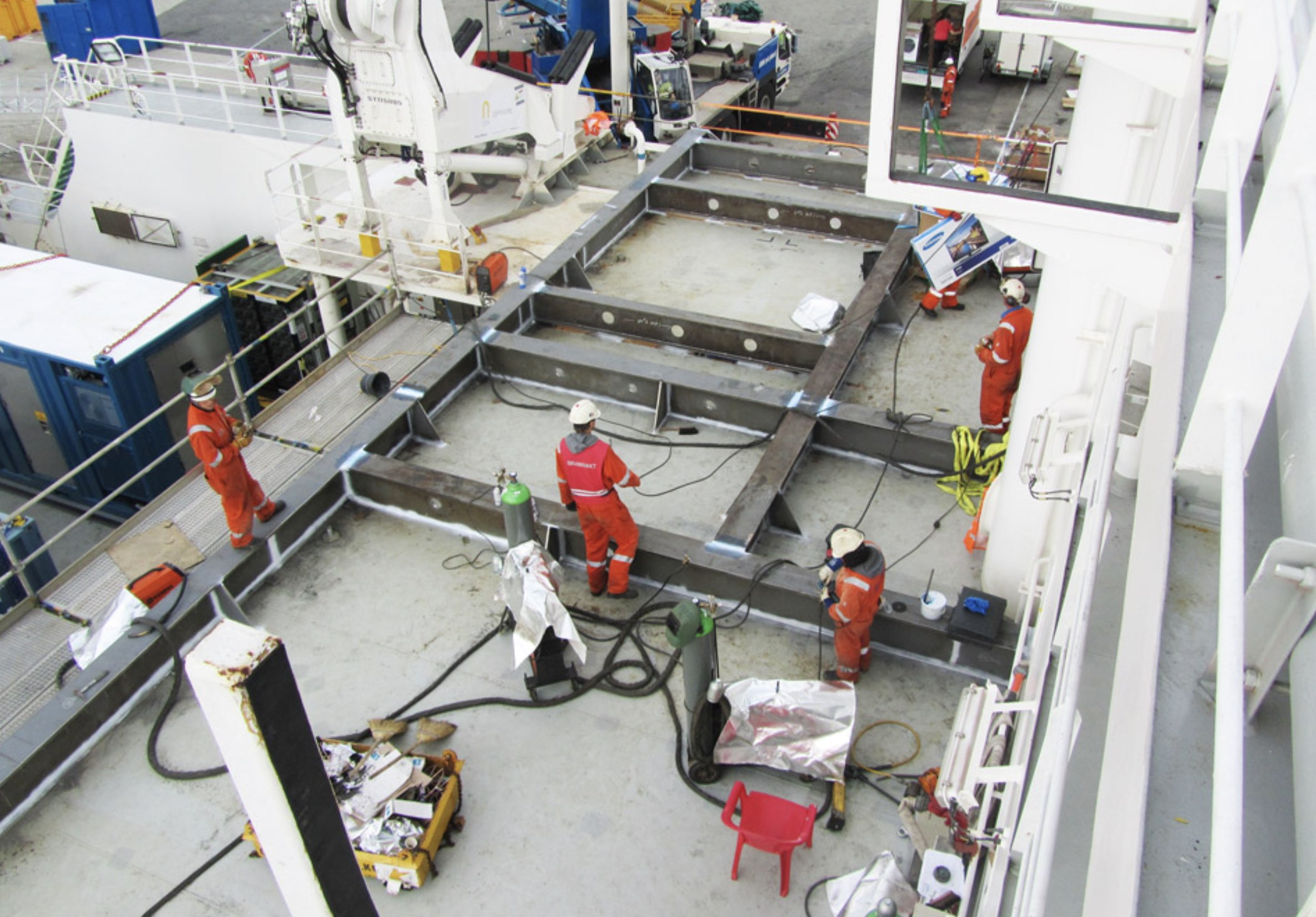
Mobilization and Demobilization: Safety and Efficiency in Maritime Projects

Efficient Mobilisation and Demobilisation for Safe and Rapid Operational Readiness

A. Olufsen Ship & Offshore has extensive experience in mobilisation and demobilisation services for offshore and maritime projects. We operate 24/7 and provide support worldwide, ensuring that vessels, installations, and equipment are prepared or restored efficiently, safely, and on schedule.

Mobilisation and demobilisation are critical phases in many offshore and maritime projects, requiring precision, planning, and experience to achieve safe and efficient execution.

These operations involve strict requirements for planning, logistics, and documentation throughout every stage of the process. With our extensive expertise, we tailor solutions to meet a wide range of project needs, from complex offshore campaigns to smaller maritime operations.

Our skilled personnel ensure that all equipment is handled correctly and that quality, safety, and compliance are maintained at every stage. This enables a smooth transition from project preparation to operations, or from project completion to the next assignment.

Seamless Mobilisation and Demobilisation

When an offshore or maritime project is about to begin or conclude, having a structured plan is essential to ensure that the correct equipment, documentation, and operational readiness are in place. A. Olufsen Ship & Offshore supports clients with personnel coordination, logistics management, and technical modifications to ensure mobilisation and demobilisation activities are completed efficiently and without unnecessary delays.

Where specialised solutions are required, we can also provide product development support to optimise equipment and systems for the intended operating environment. During installation, rigging, and handling operations, the use of appropriate lifting equipment is essential. We therefore supply robust pad eyes and lifting solutions that contribute to safe lifting operations and efficient workflows.

The result is a seamless transition from project preparation to operation—or from project completion to the next assignment—with safety, quality, and efficiency maintained throughout.

Demobilisation – A Safe and Structured Project Close-Out

Demobilisation is a critical process when an offshore or maritime project approaches completion. The process involves the systematic dismantling, removal, and securing of equipment to prepare vessels or installations for their next assignment or to return them to their original condition.

Achieving a safe and structured project close-out requires detailed planning, efficient logistics, and comprehensive documentation throughout every stage of the process.

Demobilisation Process and Key Considerations

Demobilisation involves far more than simply removing equipment at the end of a project. The process requires careful coordination to ensure that all assets are dismantled, transported, and documented correctly.

When demobilisation is executed properly, the risk of damage to personnel, equipment, and installations is significantly reduced. It also enables vessels and offshore assets to be returned to service quickly and efficiently. A systematic approach ensures that all procedures are followed, environmental requirements are met, and transitions to subsequent project phases occur without unnecessary delays.

This provides confidence for both asset owners and operators while supporting safe and cost-effective project delivery.

Efficient Mobilisation for Offshore Projects

Successful mobilisation is essential for safe, efficient, and cost-effective operations within the maritime and offshore sectors. Our mobilisation process includes detailed planning, coordination of personnel, equipment, and logistics, as well as close collaboration with the client to ensure all operational requirements are met before departure.

We manage everything from technical modifications and the installation of specialised equipment to safety inspections and documentation, ensuring that the vessel or installation is fully operational and ready within the required timeframe.

With a strong focus on quality, safety, and precision, A. Olufsen Ship & Offshore delivers mobilisation services that provide the foundation for safe and efficient operations, regardless of project complexity or location.

Summary

Demobilization is a critical part of any successful maritime and offshore project, and A. Olufsen Ship & Offshore provides the experience, quality, and reliability needed to ensure a smooth process. We support the safe and efficient demobilization of equipment, modules, and installations, tailored to each project’s requirements, schedule, and logistical demands.

When mobilization must be carried out accurately and without unnecessary delays, A. Olufsen Ship & Offshore is a trusted partner. From our base in Haugesund, we provide support for maritime and offshore projects where careful planning, efficient logistics, and safe execution are essential. We help clients deploy personnel, materials, and operational resources quickly and effectively.

With extensive expertise in the maritime and offshore industries, we work closely with our clients to ensure a seamless start-up or shutdown of operations, reduced downtime, and cost-effective solutions. When mobilization or demobilization needs to be performed safely and systematically, you can rely on our practical experience and commitment to delivering successful outcomes.

FAQ

What does demobilisation involve in offshore projects?

Demobilisation in offshore projects involves the dismantling, removal, and securing of equipment once a project has been completed. The process ensures that vessels or installations are prepared for their next assignment or restored to their original condition, while maintaining strict standards for safety and documentation.

Why is thorough planning important during demobilisation?

Thorough planning is essential to ensure a structured and safe project close-out. Effective planning provides control over logistics, documentation, and safety procedures while minimising the risk of errors, operational disruptions, and delays during equipment removal and transportation.

What safety requirements apply during demobilisation?

Demobilisation activities are subject to strict safety requirements. All equipment must be handled correctly, and the process requires detailed coordination, risk management, and documentation to protect both personnel and installations. Experienced and qualified personnel are critical to ensuring compliance with these requirements.

What are the key stages of an effective demobilisation process?

An effective demobilisation process includes the careful dismantling of equipment, safe removal and transportation, comprehensive documentation, and final inspections. It is also important to ensure that the vessel or installation is left in a suitable condition for future use or restoration to its original state.

How are environmental requirements met during offshore demobilisation?

Environmental compliance is achieved through careful planning, proper handling and transportation of equipment, and thorough documentation throughout the process. Preventing pollution and ensuring that vessels and installations are returned to an environmentally responsible condition are essential elements of offshore demobilisation.

What does mobilisation in offshore projects involve?

Mobilisation in offshore projects involves preparing equipment, vessels, and personnel before project start. This includes transportation, assembly, and installation of necessary components to ensure safe and efficient offshore operations.

How can offshore mobilisation be made more efficient?

Efficient mobilisation is achieved through thorough planning, the use of modern equipment, and experienced personnel. Strong coordination of logistics, equipment, and resources enables faster project start-up and reduces the risk of delays in offshore operations.

What services are included in vessel and offshore unit mobilisation?

Mobilisation services typically include welding, mechanical and piping work, equipment adaptation, as well as logistics and coordination. These services ensure that vessels and offshore units are fully prepared for safe and efficient operations.

Why is quality important during offshore mobilisation?

Quality during mobilisation ensures safety, reliability, and compliance with strict offshore industry standards. High-quality execution reduces the risk of errors, improves efficiency, and contributes to successful project delivery.

What factors are important when mobilising vessels for offshore operations?

Key factors include adapting equipment to each vessel, access to deep-water quays, and the use of experienced professionals in welding and mechanical services. Strong coordination between teams is essential to ensure a safe and efficient transition into operational offshore service.