
Precision machining and adaptation by rolling

Rolling Services for Offshore and Maritime Projects

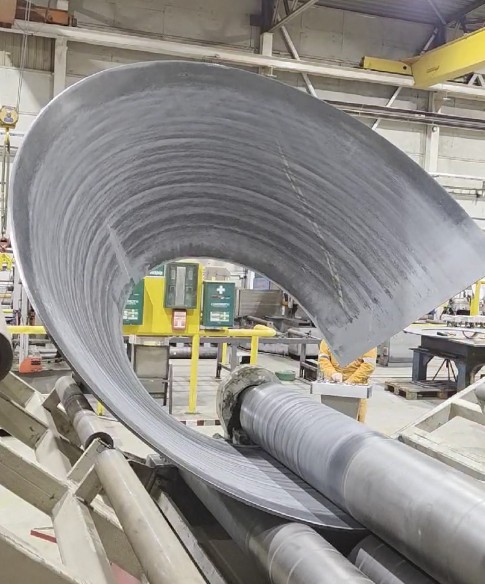
Rolling (plate rolling) is a key fabrication process within the maritime and offshore industries, enabling precise and durable shaping of steel, aluminium, and stainless steel components.

Through rolling, materials are formed into the required radius or profile, which is essential in the construction of hull structures, piping systems, and various offshore components.

Versatile Rolling Solutions for Demanding Projects

Modern rolling machines provide high flexibility, making it possible to tailor solutions to each individual project. High-quality rolling work ensures both strength and service life, and is essential for meeting strict requirements for safety and documentation in the offshore sector.

Extensive experience and certified professionals ensure rolled products that comply with strict industry standards, whether for new builds, repairs, or on-site adjustments.
Efficient Production with Rolled Steel Structures

Rolling contributes to optimised production processes in industrial and offshore applications by enabling accurate shapes that improve strength and adaptability. Precision rolling allows the production of complex steel structures with fewer weld seams, enhancing structural integrity and safety.

A correct rolling process supports efficient operations and reduced costs, while ensuring that products can withstand demanding environments.

Integrated Delivery with Precision Rolling

For offshore and maritime deliveries from A. Olufsen Ship & Offshore, it is often advantageous to combine precision rolling with subsequent assembly and logistics.

When plates and profiles are rolled to the correct radius, better fit-up and structural strength are achieved, while reducing the number of joints and enabling faster on-site installation.

A. Olufsen Ship & Offshore can also coordinate related operations such as piping services to ensure that pipe sections, transitions, and connections align perfectly with rolled components.

For equipment that must be handled safely offshore, we also provide material basket solutions for the transport and protection of components.

This results in a complete delivery with documented quality, improved production flow, and reduced risk of costly adjustments during installation.

FAQ

What is rolling and why is it important in the offshore industry?

Rolling is a fabrication process used to shape steel, aluminium, or stainless steel into a desired radius or profile. It is essential in the offshore industry for producing strong and durable components for hulls, piping systems, and other structures exposed to harsh operating conditions.

Which materials can be rolled for maritime and offshore projects?

Steel, aluminium, and stainless steel can all be rolled for maritime and offshore applications. This provides flexibility in designing solutions for shipbuilding and offshore construction requirements.

How is quality and documentation ensured in rolling processes?

Quality is ensured through the use of robust rolling equipment, experienced operators, and certified procedures. Strict documentation and inspection routines ensure compliance with industry standards for strength, safety, and reliability.

What are the benefits of rolled products in harsh maritime environments?

Rolled components provide high precision, strength, and long service life. This improves production efficiency and ensures that structures can withstand demanding maritime and offshore conditions, whether for new builds, repairs, or modifications.

Can rolling reduce production costs in the maritime industry?

Yes, rolling produces accurately shaped components that require less rework and fewer weld seams. This enables faster installation and reduces the risk of errors, lowering both production time and overall project costs.